
Run the plant on real numbers
Know immediately which line has stopped, why, and which orders are affected. Explain a late order with data.
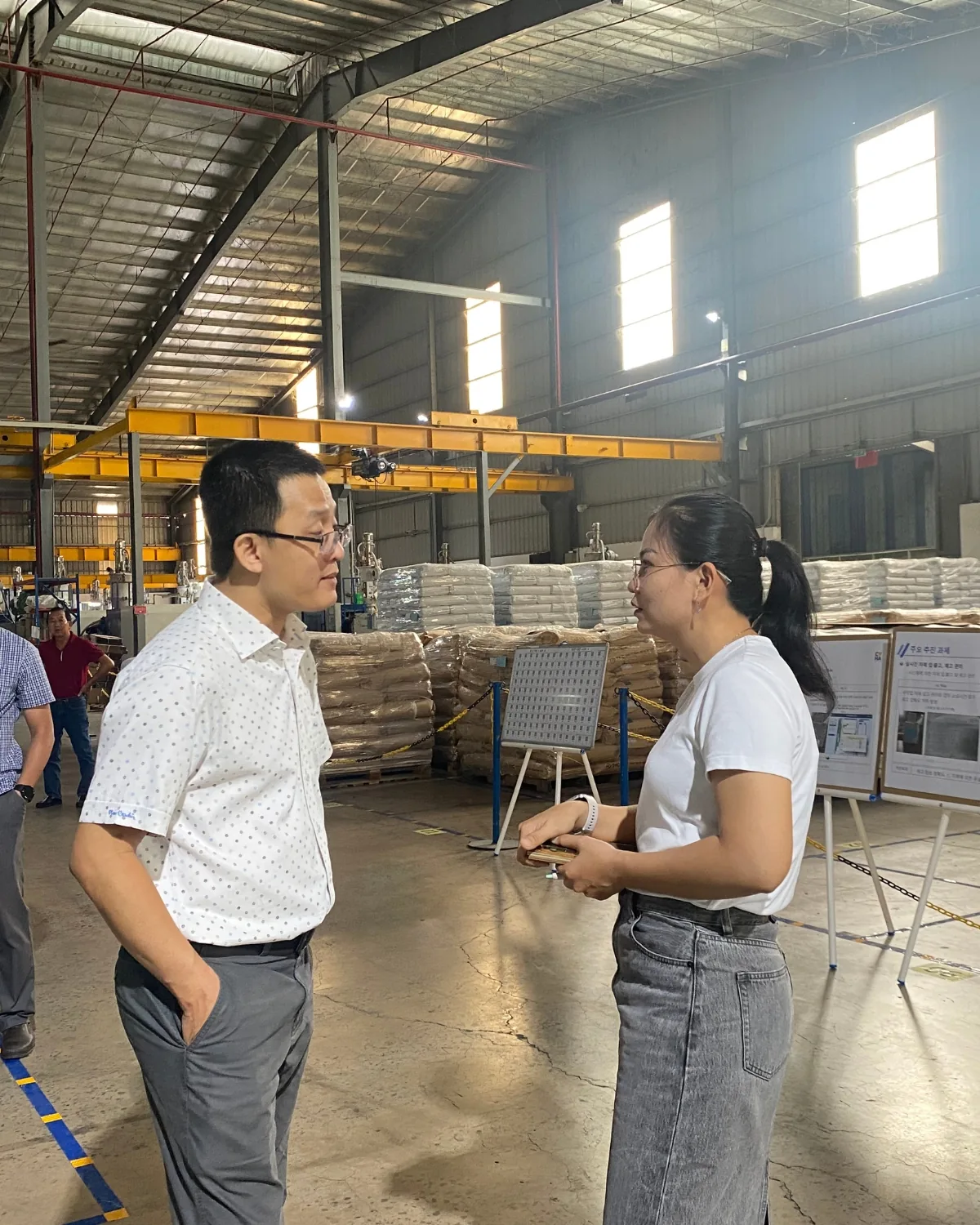
What plant managers expect
Know right away what is happening on the floor
No walking the floor, no waiting for the end-of-shift report.
One shared number
Engineering, production and planning work from the same data.
Measurable improvement
Every change shows its result in before-and-after data.
Less dependence on key technicians
Know-how for fixing problems is logged and becomes factory documentation.
Two questions that rarely have a shared answer
Why was the order late?
Every department has its own timeline.
What is our real capacity?
Engineering, production and planning each have a different number.
ControlMES: one shared source of numbers for every department.
Running the plant with ControlMES
| When | What you do |
|---|---|
| Start of shift | Review the shift plan: which work order runs on which machine. |
| During the shift | Stops appear immediately, with the reason and the affected orders. |
| End of shift | Shift data is already there, no compiling needed. |
| Weekly | Improvement meetings based on the biggest downtime reasons and scrap sources. |
What plant managers see in ControlMES
- Status of every line and running work order.
- Run time and downtime by reason, by machine, by shift.
- Scrap by source.
- Planned maintenance and breakdown history by machine.
Before and after ControlMES
| Before | With ControlMES |
|---|---|
| Explain a late order with words | Specific data: a 6-hour material shortage on the 12th, a rush order changeover on the 15th |
| Walk the floor to find which step is blocked | See which line is stopped and why, right now |
| Three different capacity figures | One figure for real machine hours, measured from the machines |
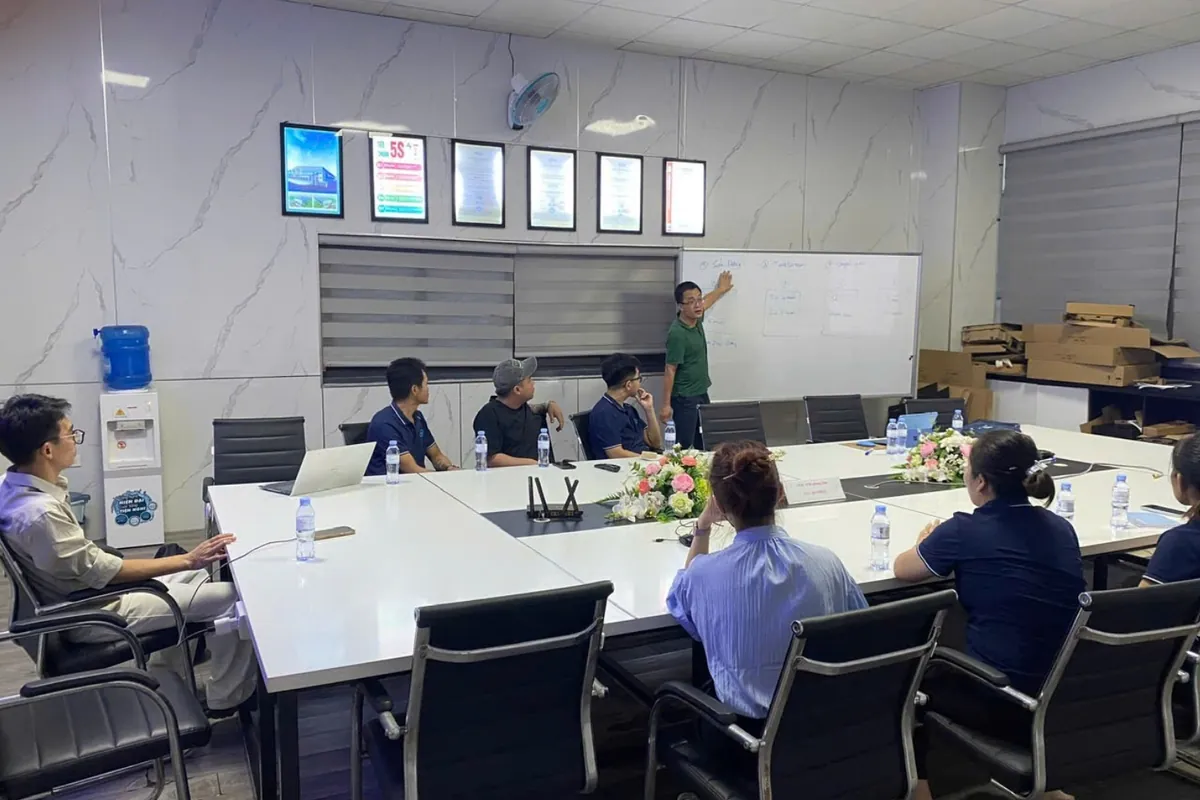
Data is where improvement starts
From the day you have data, every improvement can be measured, and the credit goes to the team running the plant.
Your role in the project
Manage the project together with the business owner: decide scope and rollout sequence, and free up supervisors to take part.
Contact
A 1-day on-site assessment, free of charge. You receive a report on your three biggest bottlenecks, and the report is yours to use as you wish.